
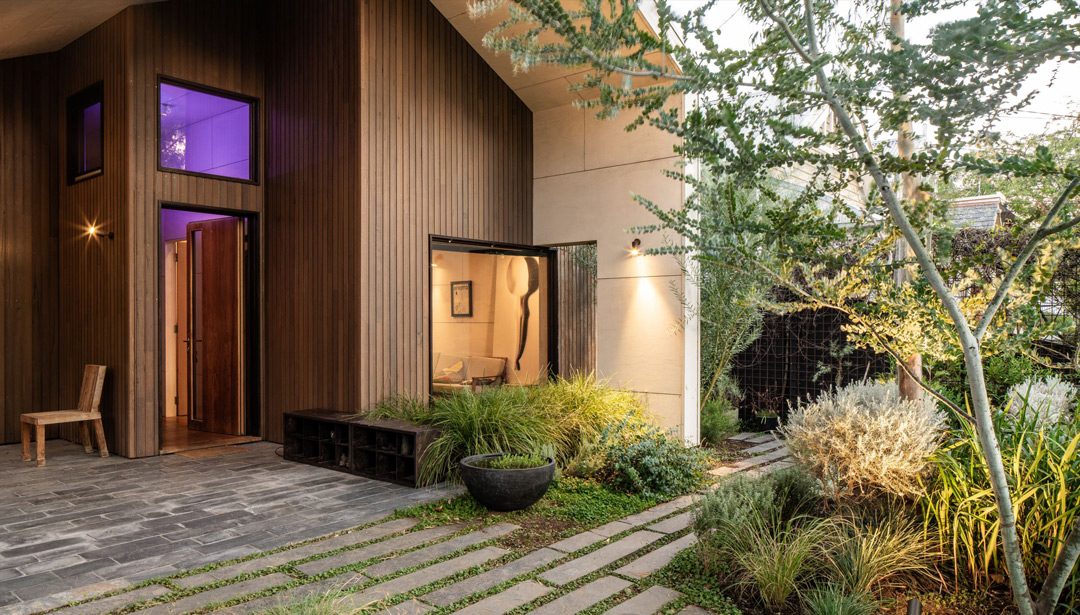
Every building sits within a complex web of interconnected systems – environmental, social, and ecological. Understanding how those systems actually interact in practice is something we’ve taken seriously for a long time.
Since 2007, EME has been monitoring our completed projects – gathering data on thermal performance, energy consumption, and the lived experience of the people inside them. This wasn’t an industry requirement. It was simply the right way to understand whether our design intentions were translating into real outcomes.
That long-term commitment to post-occupancy understanding led naturally to formal research collaboration. Our Merri Home has been studied in partnership with Melbourne University, providing rigorous data on thermal comfort, energy use, and indoor air quality – turning design hypotheses into evidence.
Post-occupancy evaluation (POE) – the structured process of assessing how a building truly performs after it’s occupied – remains underutilised across our industry. The gap between design intent and lived experience is where the most valuable lessons live. We think closing that gap matters.
Awareness, for us, means staying curious long after the keys are handed over.
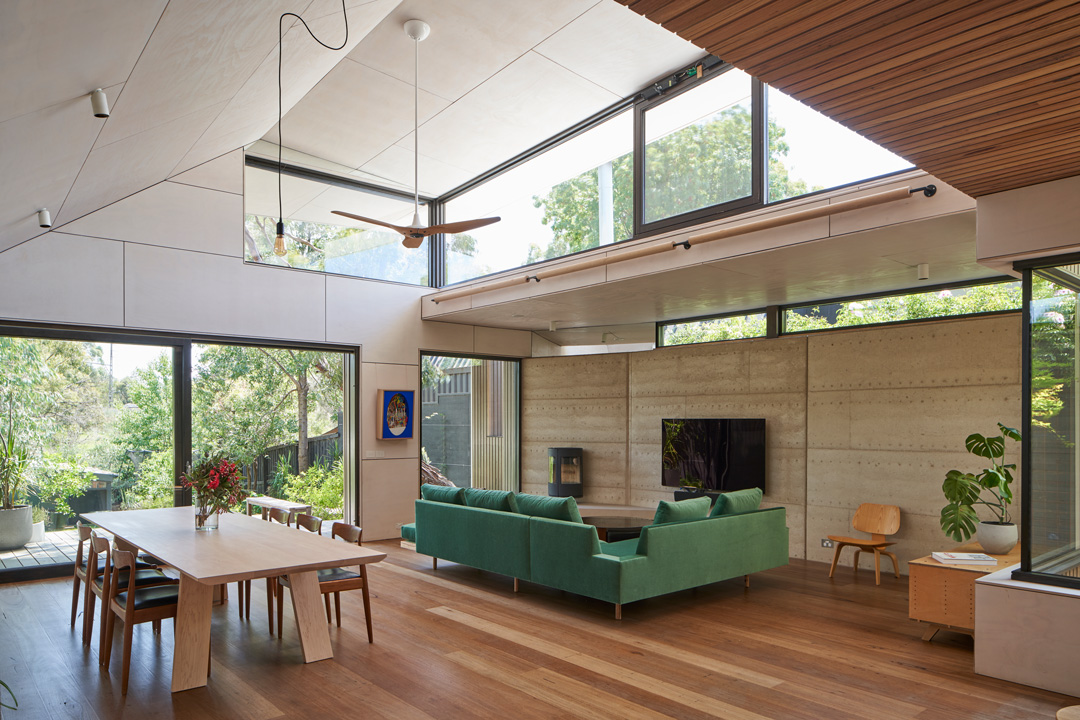
Explore Merri Home’s full story of how the biophilic and context-responsive design principles shaped the home, helping it feel connected to and improve the environment around it.